In the world of construction and interior design, few materials offer the versatility, durability, and cost-effectiveness of plywood. At Amrita Glasses and Plywood, we believe that understanding the materials you work with is the first step to creating exceptional spaces. This comprehensive guide will walk you through everything you need to know about plywood – from its manufacturing process to its various applications and benefits.
What Exactly Is Plywood?
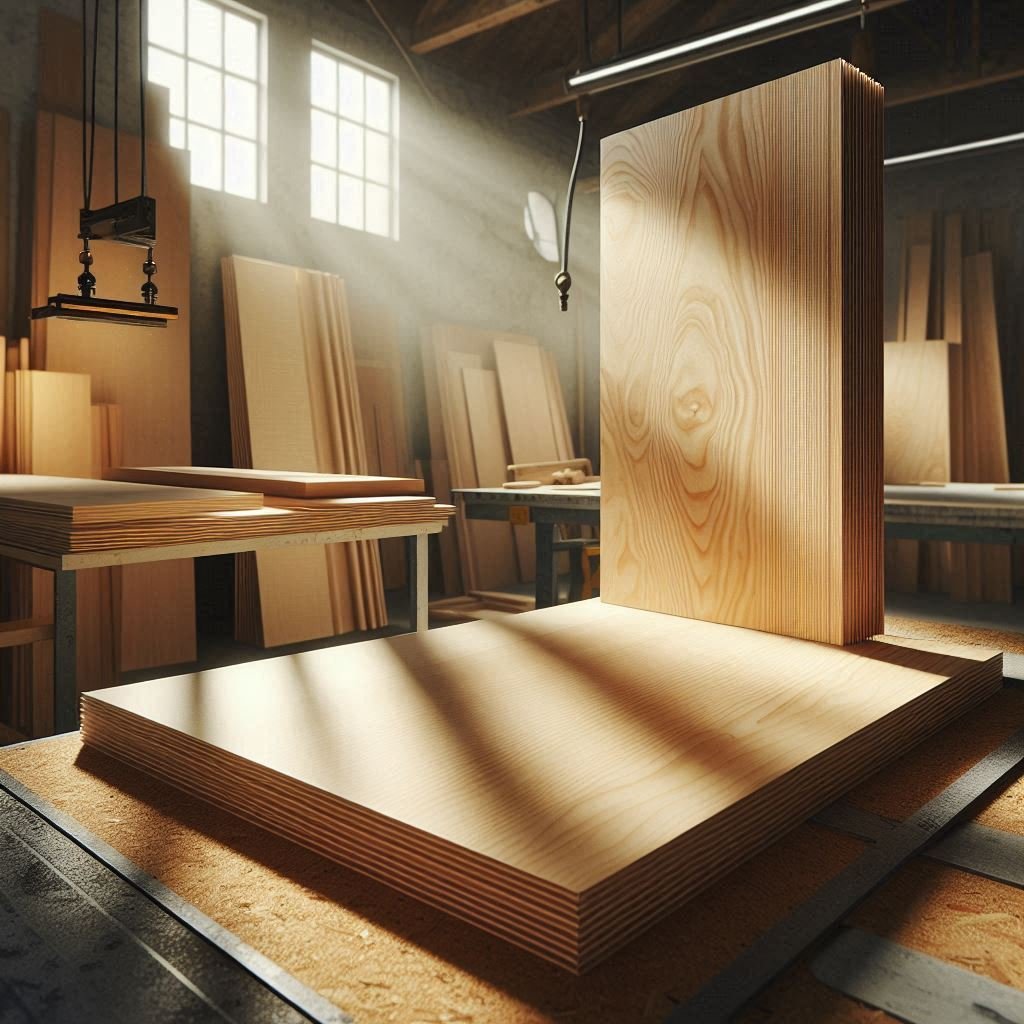
Plywood is an engineered wood product made by gluing together multiple thin layers (or “plies”) of wood veneer. These layers are arranged with their wood grain rotated relative to adjacent layers, typically by 90 degrees. This cross-graining technique is what gives plywood its remarkable strength, stability, and resistance to warping, cracking, and shrinking.
The outer layers, known as “face veneers,” are usually of higher quality than the inner cores. The entire assembly is bonded under heat and pressure with strong adhesives, creating a single, solid panel that outperforms natural wood in many applications.
The History of Plywood: Older Than You Might Think
While plywood might seem like a modern invention, its origins trace back thousands of years. Ancient Egyptians cut wood veneer and glued it to other wood surfaces as early as 3500 BCE. However, the plywood we recognize today began to take shape in the 19th century.
The industrial revolution brought mechanized production techniques, allowing for the consistent manufacturing of plywood on a large scale. By the early 20th century, plywood had become a staple construction material, particularly during World War II when it was used extensively for aircraft, boats, and military structures due to its lightweight strength.
Types of Plywood: Finding the Right Match for Your Project
Not all plywood is created equal. Different grades, thicknesses, and wood types serve various purposes:
By Construction Method
- Softwood Plywood: Made from pine, fir, or cedar, this type is primarily used for structural applications like subflooring and sheathing.
- Hardwood Plywood: Crafted from woods like oak, maple, or birch, this premium variety is ideal for furniture, cabinetry, and decorative applications.
- Marine Plywood: Constructed with waterproof glue and high-quality wood, this type resists delamination and rot even in humid conditions.
- Aircraft Plywood: Ultra-lightweight yet incredibly strong, made with special hardwoods and formulated adhesives.
By Grade
Plywood is graded based on the quality of its face and back veneers:
- A-Grade: Sanded smooth, with minimal defects – perfect for high-visibility applications
- B-Grade: Solid surface with minor repairs, suitable for painted surfaces
- C-Grade: Allows some knotholes and repairs, used for structural applications
- D-Grade: Permits larger knotholes and more defects, used where appearance isn’t important
The Manufacturing Process: Precision Engineering
The creation of plywood is a fascinating blend of traditional woodworking and modern technology:
- Log Selection and Preparation: Quality begins with carefully selected logs that are debarked and cut to length.
- Veneer Creation: Logs are either rotary-cut (spun against a blade to create continuous sheets) or sliced to create decorative veneers with distinctive grain patterns.
- Drying: Veneers are dried to precise moisture content to prevent warping or delamination in the finished product.
- Gluing and Layering: Adhesives are applied between each veneer layer, with the grain direction alternating for maximum strength.
- Pressing: The assembled layers are compressed under heat and tremendous pressure to cure the adhesive and create a solid panel.
- Finishing: Panels are trimmed to standard sizes, sanded, and sometimes given protective coatings depending on their intended use.
The Remarkable Benefits of Plywood
Structural Advantages
- Superior Strength-to-Weight Ratio: Plywood delivers exceptional strength while remaining relatively lightweight.
- Dimensional Stability: Unlike solid wood, plywood resists warping, twisting, and shrinking with changes in humidity.
- Uniform Strength: The cross-grain construction distributes loads evenly across the panel, eliminating weak points.
- Screw Retention: Holds fasteners securely without splitting, even near edges.
Practical Benefits
- Cost-Effectiveness: Provides excellent value compared to solid hardwoods or engineered alternatives.
- Resource Efficiency: Maximizes the usable material from each log, making it an environmentally responsible choice.
- Versatility: Available in various thicknesses, sizes, and grades to suit virtually any application.
- Workability: Easily cut, shaped, drilled, and fastened with conventional woodworking tools.
Popular Applications: The Plywood Advantage
Construction
Plywood remains a go-to material for structural applications like roof sheathing, subflooring, and wall panels. Its strength and dimensional stability make it ideal for creating the “bones” of a building.
Furniture Making
From mid-century modern classics to contemporary designs, plywood’s clean lines and natural warmth have made it a favorite among furniture designers. Its ability to be bent into curves when properly treated opens up endless design possibilities.
Cabinetry
The smooth surface and edge stability of high-grade plywood make it perfect for cabinetry. It provides the ideal substrate for veneers, laminates, or paint finishes while maintaining its shape over decades of use.
Interior Design
Exposed plywood has become a design statement in contemporary interiors, bringing warmth and texture to spaces. Creative applications include feature walls, ceiling treatments, built-in storage, and decorative screens.
DIY Projects
The accessibility and forgiving nature of plywood make it perfect for home workshops and DIY enthusiasts. From simple shelving to elaborate built-ins, plywood enables creative expression without requiring specialized tools.
Sustainable Choices: Plywood and the Environment
Today’s environmentally conscious consumers are rightfully concerned about the sustainability of building materials. Modern plywood manufacturing has evolved to address these concerns:
- Certified Sources: Look for plywood certified by the Forest Stewardship Council (FSC) or other reputable organizations that ensure responsible forestry practices.
- Low-Emission Options: Many manufacturers now offer plywood with low formaldehyde emissions, improving indoor air quality.
- Local Production: Choosing locally manufactured plywood reduces the carbon footprint associated with transportation.
- Longevity: The durability of plywood means less frequent replacement and less waste over time.
Working with Plywood: Tips for Success
Whether you’re a professional contractor or a weekend DIYer, these tips will help you get the most from your plywood projects:
- Always use sharp tools to prevent tearout, especially when cutting across the grain.
- Support the material properly when cutting to avoid splintering the bottom veneer.
- Pre-drill before screwing near edges to prevent splitting.
- Seal all edges in moisture-prone areas to prevent delamination.
- Consider the finish when selecting your plywood grade – higher grades require less preparation for visible surfaces.
The Future of Plywood: Innovation Continues
Despite being centuries old, plywood continues to evolve. Recent innovations include:
- Enhanced Fire Resistance: New treatments and manufacturing techniques create plywood with superior fire-resistant properties.
- Improved Water Resistance: Advanced adhesives and treatments extend the life of plywood in wet environments.
- Sustainable Alternatives: Some manufacturers are exploring rapidly renewable materials like bamboo for plywood production.
- Digital Integration: CNC technology has revolutionized what’s possible with plywood, enabling complex cuts and joints with precision.
Conclusion: The Timeless Appeal of Plywood
From ancient Egyptian tombs to spacecraft components, plywood has proven its worth across millennia. Its unique combination of strength, versatility, and aesthetic appeal ensures it will remain a cornerstone material in construction and design for generations to come.
At Amrita Glasses and Plywood, we pride ourselves on offering premium plywood solutions for every application. Whether you’re building a home, crafting furniture, or embarking on a creative project, our experts can help you select the perfect plywood for your needs.
Visit our showroom today to explore our extensive range of quality plywood products, or contact our team for personalized advice on your next project.